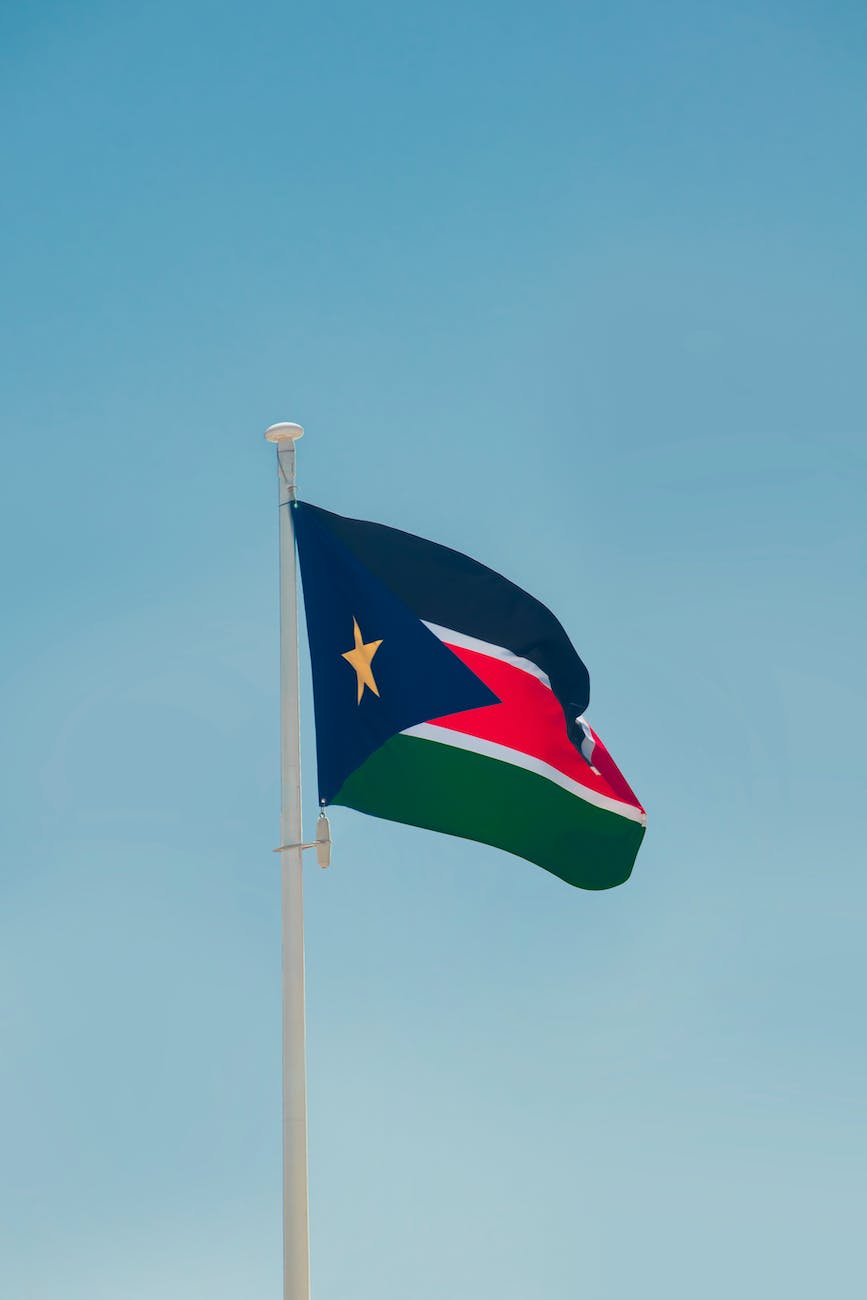
South Sudan has a long history of conflict. For example, the South Sudanese Civil War occurred as recently as 2013 to 2020. Moreover, many impoverished communities lack access to adequate health services. The recent COVID-19 pandemic has only amplified this struggle. The recent violence and strained health services have increased the South Sudanese disabled population.
The legal definition of disability is understood as having a ‘physical or mental impairment’ that has a ‘substantial and long-term’ impact on an individual’s life.
Concrete data on the percentage of South Sudanese disabled persons does not exist. According to the 2008 census, the most recent available, 5.1% of those in the region of South Sudan are considered people with disabilities. More shockingly, there are estimates that this number is closer to 15%, over 1.6 million people.
These statistics suggest there is a large marginalized population of disabled persons in the country, which has led to many disability nonprofits operating in South Sudan. These NGOs are further motivated by the range of cultural and institutional obstacles disabled persons face within the country. Studies show there is a clear relationship between disability and lack of employment. People with disabilities are also more likely to lack literacy skills or be completely illiterate.
Advocating for disability rights in South Sudan is an uphill climb. Here are two disability nonprofits operating in South Sudan and their positive impacts.
Light for the World
Light for the World, which has been in operation for over 30 years, is one of the most prominent disability nonprofits operating in South Sudan. Their main positive impact has been advocating for legislation that protects the rights of disabled persons.
In 2014, surveys revealed that most “…local authorit[ies] and services providers [in South Sudan] expressed a lack of knowledge and experience to provide services and enable equal participation of people with disabilities.”
Thus, Light for the World has been advocating for South Sudan to sign up for the CRPD since 2007. The Convention on the Rights of Persons with Disabilities (CRPD) aims to protect and fulfill the rights of persons with disabilities. The CRPD also aims to ensure disabled individuals can contribute to the legislation and policies surrounding disability.
The CRPD was developed in 2006 and opened to signatures in 2007, yet South Sudan did not sign. After years of advocacy, a group of organizations, including Light for the World, developed the CRPD task force in 2015. In collaboration with many other NGOs, this task force developed a plan for South Sudan to sign the CRPD.
In a historic step, on February 24, 2023, South Sudan signed the Convention on the Rights of Persons with Disabilities. This legislation means authorities must protect the rights of disabled South Sudanese citizens. More significantly, South Sudanese authorities can be held accountable for not protecting these rights.
World Food Programme
The history of violence and harsh climates in South Sudan has led to the deaths of over 130 humanitarian workers since 2013. This fact makes South Sudan one of the most dangerous countries for aid workers to operate. However, this violence and harsh climate has only made it more crucial for humanitarian work to take place, as 7.24 million people face food insecurity.
In 2021, South Sudan tackled the most intense food insecurity within the country since its independence, affecting over 60% of the population. In the face of these obstacles, the World Food Programme (WFP) “ensures that everyone has the right to assistance.”
Between January and August 2021, the WFP spent $49 million, supporting 3.4 million people in South Sudan. In the same year, the WFP reached nearly 100,000 disabled persons with cash grants and food supplies.
This number has only continued to rise, as according to the WFP 2022 Annual Country Report, they reached 129,472 persons with disabilities.
These are just two examples of the ground-breaking disability nonprofits operating in South Sudan. Due to sporadic bouts of violence, cultural attitudes and strained health services, disabled persons have become increasingly impoverished and vulnerable. However, through legislation and food security, organizations are fighting to support South Sudanese disabled persons.
Featured Image: Flickr
 Bewritings
Leave a comment