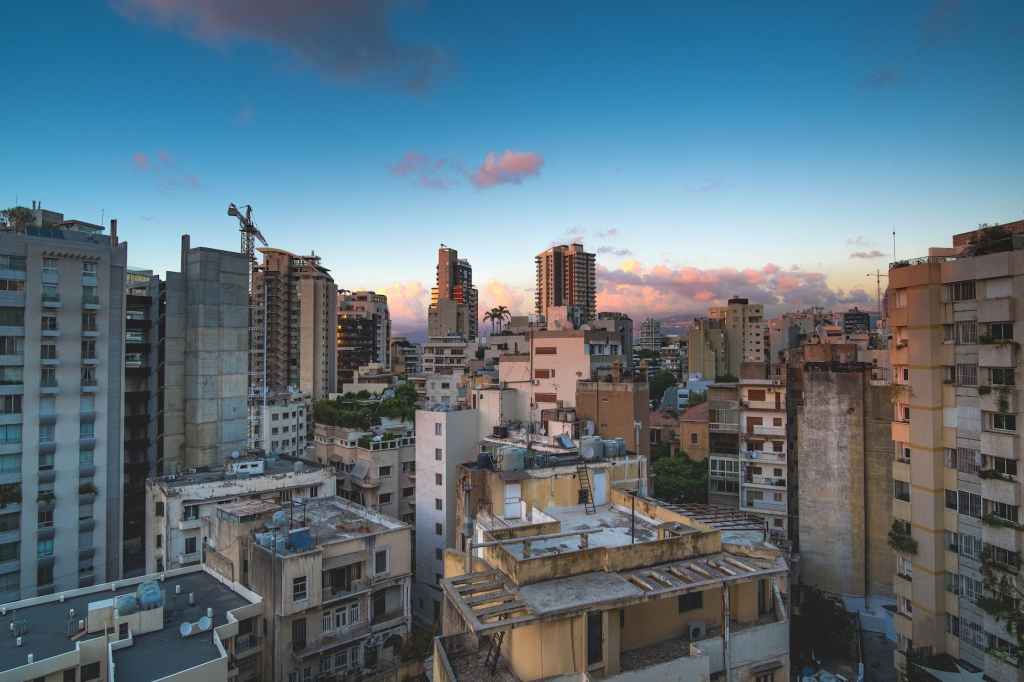
In 2020, Beirut, the capital of Lebanon, was devastated by a huge explosion. The impact resulted in over 200 casualties and 7,000 injured persons. The explosion made an estimated 300,000 people homeless. The youngest victim was just 2 years old.
The tragedy is “one of the largest non-nuclear explosions in history,” and Beirut’s infrastructure suffered greatly. Around 50% of the country’s health centers were deemed unusable. The World Bank estimated at least $3.8 billion in damages. Since the explosion, Lebanon’s economy has struggled. The country’s GDP declined by approximately 2.6% in 2022. The country has one of the lowest revenue rates globally, at 6% of GDP in 2022.
Amid political and economic instability, poverty in Lebanon, particularly in Beirut, is rising. In 2023, around 80% of civilians were living in poverty. This poverty rate is almost double the rate from before the Beirut explosion. In 2019, the poverty rate in the country was 42%. In Beirut alone, an estimated 25,000 households live in extreme poverty. More than ever, poverty reduction in Lebanon is critical. Thankfully, the country’s strife has prompted many community projects supporting rebuilding the country.
Espace Fann
In 2019, just over 59% of Lebanese civilians enrolled in higher education. However, as the country’s economy declines, education opportunities are in crisis. Annual tuition fees have drastically increased, from LL885,000 ($58.90) in 2022 to LL12 to 13 million ($798.60 – $865.15) in 2023.
This economic decline and increased tuition fees inspired Nour Tannir and Yasmine Dabbous to develop Espace Fann. The project is based in Beirut and provides a creative space for residents. According to their website, the group offers ”art education and design classes to young and mature talents. While we focus on design thinking and skill building, our aim is to encourage creativity, sustainability and healing through the arts… At Espace Fann, we offer university-level art education, including courses and workshops, at affordable prices. Our instructors help students learn new skills, develop their creativity and launch new careers in the arts.”
The initiative developed in 2019, but the NGO Stand for Women aided Espace Fann after the blast. The Lebanon-based charity supports women’s economic freedom and gender equality and aids the women’s workforce across the Middle East.
In January 2022, the unemployment rate in Lebanon was 29.6%, almost a third of the population. Espace Fann tackles poverty in Lebanon by providing participants with skills to support employment. The affordable courses include website design, self-branding and promotion, filmmaking and various art courses.
The “BERYT” Project
The Beirut Housing Rehabilitation and Cultural and Creative Industries Recovery Project, or BERYT, is alleviating poverty in Lebanon by focusing on re-establishing housing for Beirut residents. U.N.-Habitat and the World Bank lead it. The project supports people in Beirut through four main objectives. To begin, BERYT contributes to restoring damaged buildings with “heritage value.” It also offers support in renting and offers grants for cultural productions. It also focuses on “project management and capacity building.” Concentrated efforts will be in areas within 5km of the blast’s center. Within these neighborhoods, buildings that housed more economically challenged families will remain a priority.
Matbakh El Kell: The Community Kitchen
Another aspect of poverty in Lebanon is food insecurity. In 2023, the U.N. estimates that 1.4 people in the country face food insecurity. This data includes high rates of malnutrition. 28.3% of women between 15-49 have anemia. In addition, low birth rates affect over 9% of infants.
Matbakh El Kell: The Community Kitchen is just one of many projects tackling food poverty in Lebanon. The kitchen serves over 2,500 meals a day, completely free. The project is in the blast epicenter and was developed due to the 2020 tragedy. Meals are for a range of vulnerable demographics. This demographic includes impoverished families, the elderly, hospital outpatients and orphans. Souk El Tayeb, a company founded in 2004, developed the kitchen. The company aims to support local cuisines and produce while uniting communities. Souk El Tayeb also oversees many farmer’s markets, further aiding the local economy.
The 2020 Beirut explosion was a tragedy many Lebanese citizens will carry with them for a lifetime. However, the disaster has seen various innovative, community-based projects focused on poverty reduction in Lebanon.
 Bewritings
Leave a comment