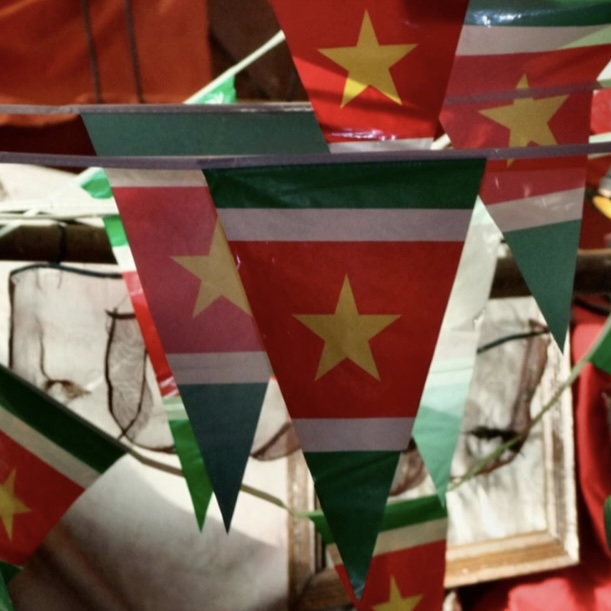
Suriname is a small South American country with substantial economic challenges. The country’s main exports are gold and oil, with sizable environmental impacts. According to The World Bank, Suriname has the third highest rate of wealth inequality globally, with a Gini Index of 57.9%. In 2020, approximately 26% of the population lived in poverty. Like many other countries, the Covid-19 pandemic only worsened their economy.
4 Ways to Tackle Poverty in Post-Pandemic Suriname
- Eco-Tourism: Although Suriname has few tourist accommodations, its natural beauty prompts eco-tourism. This environmentally-friendly form of tourism mainly consists of thrilling expeditions and relaxing vacations in secluded eco-resorts. Also, it provides economic support without disturbing wildlife.
The economic potential of tourism remains unrealised due to recent travel restrictions in light of Covid-19. Macrotrends identified a 70.31% decline in tourism in Suriname between 2019 and 2020 alone.
However, initiatives such as UNESCO’s “Sustainable Tourism Strategy for World Heritage Properties in Suriname” workshop aim to strengthen tourism opportunities. The two-day event facilitated the development of a sustainable tourism strategy for the country.
- Education: According to UNICEF, in 2019, around 85% of children in Suriname completed primary education. However, only 23% completed upper secondary education, with more barriers for those in poorer or rural areas.
SOS Children’s Villages have been operating in Suriname since 1972. They aim to help families living in poverty and support orphaned children. They provide educational opportunities with their four current classrooms that can accommodate 95 children.
- Healthcare: Providing access to adequate healthcare is essential in reducing poverty. The World Health Organisation notes that Suriname loses 170.000 productive life years annually due to ill-health and premature death. Access to healthcare is especially an issue in rural areas.
Suriname’s VG (National Healthcare System) requires international aid to modernise. According to Discover Suriname, the workforce is not large enough for every healthcare position. A combination of education and foreign aid alleviates this issue.
For example, Stichting Lobi has provided healthcare, specifically sexual and reproductive health, in Suriname since 1968. Every year, an average of 20,000 people receive services from Lobi.
- Foreign Aid: Recent riots in the country regarding the cost of living have highlighted issues with foreign debt post-pandemic. Suriname has defaulted on its foreign debts three times since the pandemic.
Some countries that aid Suriname have agreed to restructure their loans to accommodate. However, some countries, alongside private banks and bondholders, have not. Due to this instability, Suriname’s IMF loan ceased in March 2022.
New structures to aid post-pandemic countries are required, evident due to the recent struggles of Suriname. Reintroducing tourism, strengthening education and healthcare, and reforming foreign aid would allow Suriname to tap into its unrealised potential.
Photo: Flickr


Leave a Reply